
“No Worries, Just Food”: A Chat with Pam Noël on Making Nutrition Fun for Young People
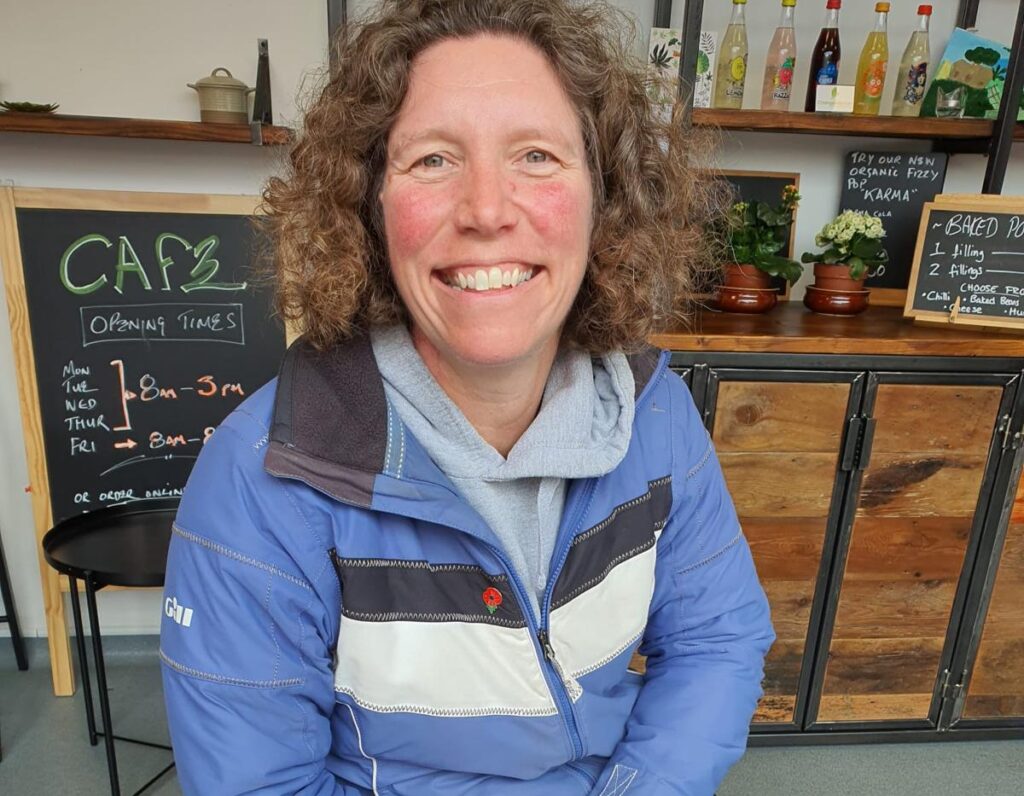
We caught up with Pam Noël, the food and nutrition lead for the HAF programme, to talk all things food, confidence and why getting hands-on in the kitchen can be a total game-changer for young people.
First things first—tell us a bit about yourself and your role at StreetGames.
Hi, I’m Pam! I’ve spent many years working across food, nutrition, and physical activity and I’ve always believed those things go hand in hand.
At StreetGames, I support youth organisations with the food element of their programmes. My background’s actually in sports development, so I’ve always been passionate about taking a blended approach—helping young people move more and eat well. It’s not about one or the other; it’s about the full picture.
Hakuna Fruitata is a great name—what’s the story behind the project?
Thanks! It’s all about that “no worries” vibe.
Hakuna Fruitata was designed specifically for the Holiday Activity and Food (HAF) programme. It offers practical, hands-on workshops for young people aged 4–16, where they can explore food in a relaxed, pressure-free environment.
It’s been incredibly popular—hundreds of children have taken part since the programme began. They’re not just learning about food, they’re actually getting stuck in.
And for older young people, there’s the chance to step up as ‘Young Leaders’. They help run smaller food sessions at their holiday clubs, which is amazing for building confidence and responsibility.
Why does hands-on experience matter so much when it comes to food?
Food is such a huge part of young people’s lives, not just socially, but developmentally too. If we want to give them the best shot at a healthy future, we need to start with the basics.
The reality is, most children don’t get much say in what they eat and even fewer get the chance to prepare food themselves. That’s where hands-on experiences come in.
When young people can actually touch, taste, and create, it completely changes their relationship with food.
What kind of impact have you seen on young people?
It’s been really powerful.
When young people get the chance to explore different fruits and vegetables, their knowledge grows and so does their confidence. Suddenly, the kitchen isn’t intimidating anymore.
We often hear from families that things change at home too. Kids start getting more involved in meals, making healthier choices, and even having proper conversations about what they’re eating.
And at holiday clubs, there’s a noticeable shift—better engagement, improved behaviour, and more energy—just from regularly eating balanced meals alongside tasting new food experiences.
And what about the providers, how are they benefiting?
That’s a big part of it. Hakuna Fruitata, alongside our Let’s Talk About Food training, is designed to raise the standard of food experiences across holiday clubs.
We focus on building staff and volunteer confidence—because if they feel comfortable talking about food, it becomes a natural part of the programme.
It’s about embedding food into everything they do, not treating it like an add-on.
Who’s been supporting this work behind the scenes?
We’ve had some brilliant partners involved.
Bring it on Brum! worked with Warburtons, who donated bakery items to participating organisations. Fareshare has also been amazing, distributing fruit and veg, reducing surplus food while helping kids cook a wider range of dishes.
We were also lucky to have a Loughborough University PhD student that has conducted research to demonstrate the impact of Hakuna Fruitata.
There’s also the Full of Beans initiative led by the Birmingham City Council Public Health team, which promotes plant-based eating, encouraging the use of beans and pulses in everyday meals.
And one of my favourite elements? The “seed-to-feed” approach, getting young people planting and growing their own herbs and ingredients. It really brings food education full circle.
If you had one piece of advice for holiday clubs wanting to encourage healthier choices, what would it be?
Keep it simple – offer hot nutritious meals as much as possible.
Focus on balanced portions – protein, fibre and carbohydrates – wholesome filling meals rather than relying on snacky bits to supplement sandwiches which can often lack nutritional value.
Every child should have at least one nutritious meal a day to support their growth and development.
And the good news? We’ve seen huge progress. After three years, around 75% of HAF providers include Hakuna Fruitata as part of their enrichment, with evidence of the positive impact on young people’s food choices.
Any go-to resources for providers looking to step things up?
Definitely! There are loads of recipes and resources available in the Bring it on Brum! information hub.
And honestly, sometimes the best thing is just having a conversation—thinking about how to create more opportunities for food within your own community setting.
If anyone wants to chat, they’re always welcome to get in touch:
📧 pam.noel@streetgames.org